Quick answer
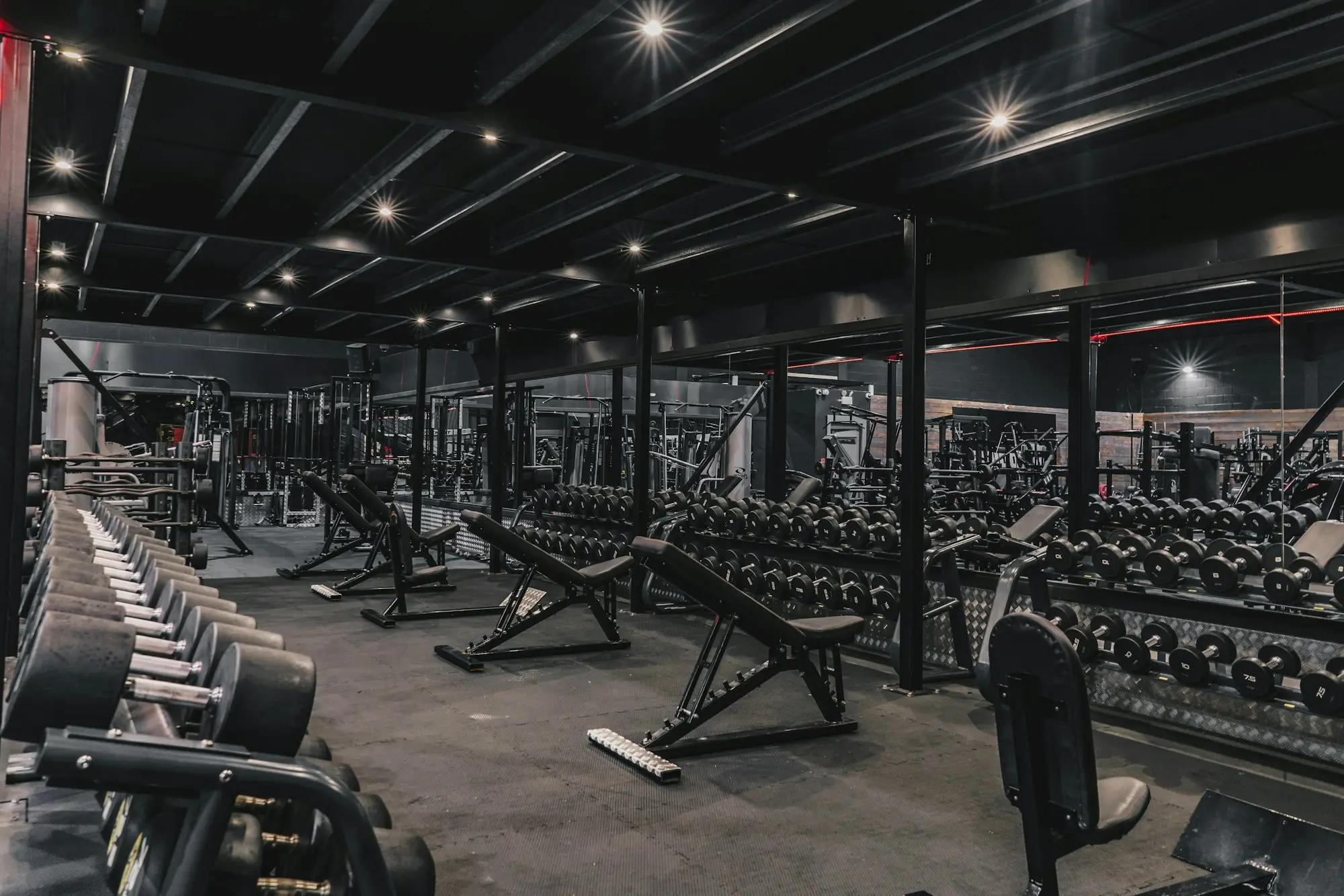
Business funding for gyms and fitness studios usually covers gym equipment, fit-outs, new sites and the ramp-up period before memberships reach break-even. Regular membership debits give lenders a clear view of revenue. Equipment finance covers machines and weights, lines of credit smooth seasonal membership swings, and property-secured loans from $20k to $5m suit larger projects.
Key points
- Equipment is the largest recurring investment
- Membership debits give predictable revenue
- New sites take time to reach break-even
- January peaks and winter dips affect cash flow
Fitness businesses invest heavily before they earn. Equipment, flooring, change rooms and air conditioning all come before the first member signs up. Once established, membership direct debits provide steady income, but new sites and upgrades need careful funding.
Where the money goes in gyms and studios
Membership debits arrive weekly or fortnightly, with sign-ups often peaking in January and before summer. Rent, wages and equipment finance run steadily. Equipment needs replacing or upgrading every few years to stay competitive.
Common pressure points
- Equipment upgrades and replacements.
- Fit-outs for new or expanded sites.
- Pre-sale and ramp-up periods before break-even.
- Winter membership dips.
- Technology and booking systems.
Already know roughly what you need? Tell us in about a minute. There is no credit check to enquire and your details are not passed around a panel of lenders.
Matching funding to the need
| Funding | Why it suits gyms and studios |
|---|---|
| Equipment finance | Machines, weights, flooring and audio-visual |
| Line of credit | Seasonal membership swings |
| Property-secured loan | New sites and major fit-outs |
| Working capital loan | Ramp-up costs for a new studio |
How a lender assesses gyms and studios
- Membership numbers and churn.
- Direct debit revenue history.
- Lease terms.
- Existing equipment finance.
For larger amounts, or when the statements do not yet show the full picture, property security from $20k to $5m changes the assessment. No valuation is needed, and repayments can be deferred by paying interest up front or capitalising it.
How to put your best numbers forward
The cleanest applications from gyms and studios share a few traits. Business and personal spending are kept apart. Large deposits and withdrawals have a simple explanation. Existing loans, leases and payment plans are listed up front. And the request matches the purpose: a specific amount for a specific need, with a believable repayment source. Get those right and the assessment is mostly about confirming what you have already said.
An illustrative example
A boutique strength studio wants to open a second site. The fit-out costs $140,000 and equipment $90,000, and the site will take several months to reach break-even. Equipment finance covers the gear, and a property-secured loan funds the fit-out and ramp-up, with interest paid up front for the first six months.
Ways to need less funding
Run pre-sales before opening, track churn monthly and keep equipment on a planned replacement cycle. Manage the winter dip with retention offers rather than discounting.
The short version
- Equipment is the largest recurring investment
- Membership debits give predictable revenue
- New sites take time to reach break-even
- January peaks and winter dips affect cash flow
How the process runs
One enquiry, one team, one clear answer. That is the whole approach. We read what you send, call you, ask for the documents that matter and lay out the options in plain English with the total cost attached. Your details are not shopped around, and your credit file is only checked if you choose to accept an offer. If the answer is no, you will hear it quickly and with a reason, so you can plan your next move.
A quick test before you borrow
Funding works best when three things are true: the need is specific, it is temporary or it pays for itself, and there is a clear source of repayment. If all three hold, the right loan can take real pressure off the business. If the business is losing money month after month with no change in sight, borrowing only postpones a harder decision, and we would rather say so than arrange a loan that makes things worse.
Paperwork worth gathering
A short checklist before you send the enquiry. None of it takes long, and together it heads off the most common causes of delay:
- Know the amount you need and what it will pay for.
- Check your recent bank statements so nothing in them surprises you.
- Note any loans, leases or payment plans the business is carrying.
- If you own property, know who is on the title and what is owed.
- Make sure every director or co-owner knows you are applying.
Getting the enquiry right
The enquiry asks for the amount, the purpose, how long you have traded, your monthly revenue, your credit history, your state and whether you own real estate. Each answer steers your enquiry towards the right option. Accurate answers let the first call move straight to solutions. Rounded-up turnover or a credit history that turns out to be different from the form means starting again, which costs everyone time.
Check your eligibility
To see what is available for your business, complete the 60-second enquiry. It is free, there is no credit check and it goes to one team, not a lead marketplace. Please be precise with the amount, turnover and credit history. Those answers shape everything that follows, and getting them right is the single best way to get a fast, useful answer.
Frequently asked questions
Can gyms finance second-hand equipment?
Often, yes. Commercial fitness equipment has an established resale market.
How do lenders view membership revenue?
Steady direct debits are viewed positively, especially with low churn.
Will an enquiry affect my credit score?
No. An enquiry runs no credit check. A credit check only happens if you decide to go ahead with a specific offer.
Can gyms and studios with bad credit get business funding?
Often, yes. Credit marks are considered case by case, with weight on how the business trades now and any property security available. Explain the background honestly in the enquiry.
Ask right here, it takes a minute
The same 60-second enquiry, on this page. No credit check to enquire, and the person who reads it is the person who calls you.