Quick answer
Business funding for medical and dental practices usually covers specialised equipment, surgery fit-outs, buying into or acquiring a practice, and the cash flow of bringing on new practitioners. Practices often have steady revenue that lenders view favourably. Equipment finance covers chairs, imaging and sterilisation equipment, while property-secured loans from $20k to $5m suit fit-outs and acquisitions.
Key points
- Specialised equipment is expensive and essential
- Fit-outs must meet clinical and accessibility standards
- Buying into or acquiring a practice is a common need
- Steady revenue helps lenders assess the practice
Medical and dental practices are capital-intensive. Treatment rooms, imaging, sterilisation and practice software are costly, and fit-outs must meet strict standards. Growth often means adding practitioners who take time to build their books, and practice purchases or partnership changes involve significant sums.
Understanding cash flow in medical and dental practices
Revenue arrives from patients, health funds and government schemes, some of it paid on the day and some days or weeks later. Equipment is bought in large one-off purchases. Wages for practitioners, nurses and reception run weekly or fortnightly. Fit-outs and relocations are major projects that take months.
Common pressure points
- Replacing or upgrading dental chairs, imaging or sterilisation equipment.
- Fitting out a new surgery or expanding into the next tenancy.
- Bringing on a new practitioner before their book is full.
- Buying into a partnership or acquiring a practice.
- Software and compliance upgrades.
See what is on offer before you commit to anything. The enquiry is free, runs no credit check and does not lock you into a thing.
Options worth considering
| Funding | Why it suits medical and dental practices |
|---|---|
| Equipment finance | Chairs, imaging, sterilisation and clinical equipment |
| Property-secured loan | Fit-outs, relocations and practice acquisitions |
| Line of credit | Gaps while new practitioners build their books |
| Working capital loan | A one-off upgrade or move |
What lenders look at
- Consistency of patient and fund revenue.
- Practitioner arrangements and who generates revenue.
- Lease term on the premises.
- Existing equipment finance.
For larger amounts, or when the statements do not yet show the full picture, property security from $20k to $5m changes the assessment. No valuation is needed, and repayments can be deferred by paying interest up front or capitalising it.
Getting your file ready
The cleanest applications from medical and dental practices share a few traits. Business and personal spending are kept apart. Large deposits and withdrawals have a simple explanation. Existing loans, leases and payment plans are listed up front. And the request matches the purpose: a specific amount for a specific need, with a believable repayment source. Get those right and the assessment is mostly about confirming what you have already said.
How it might look (illustrative)
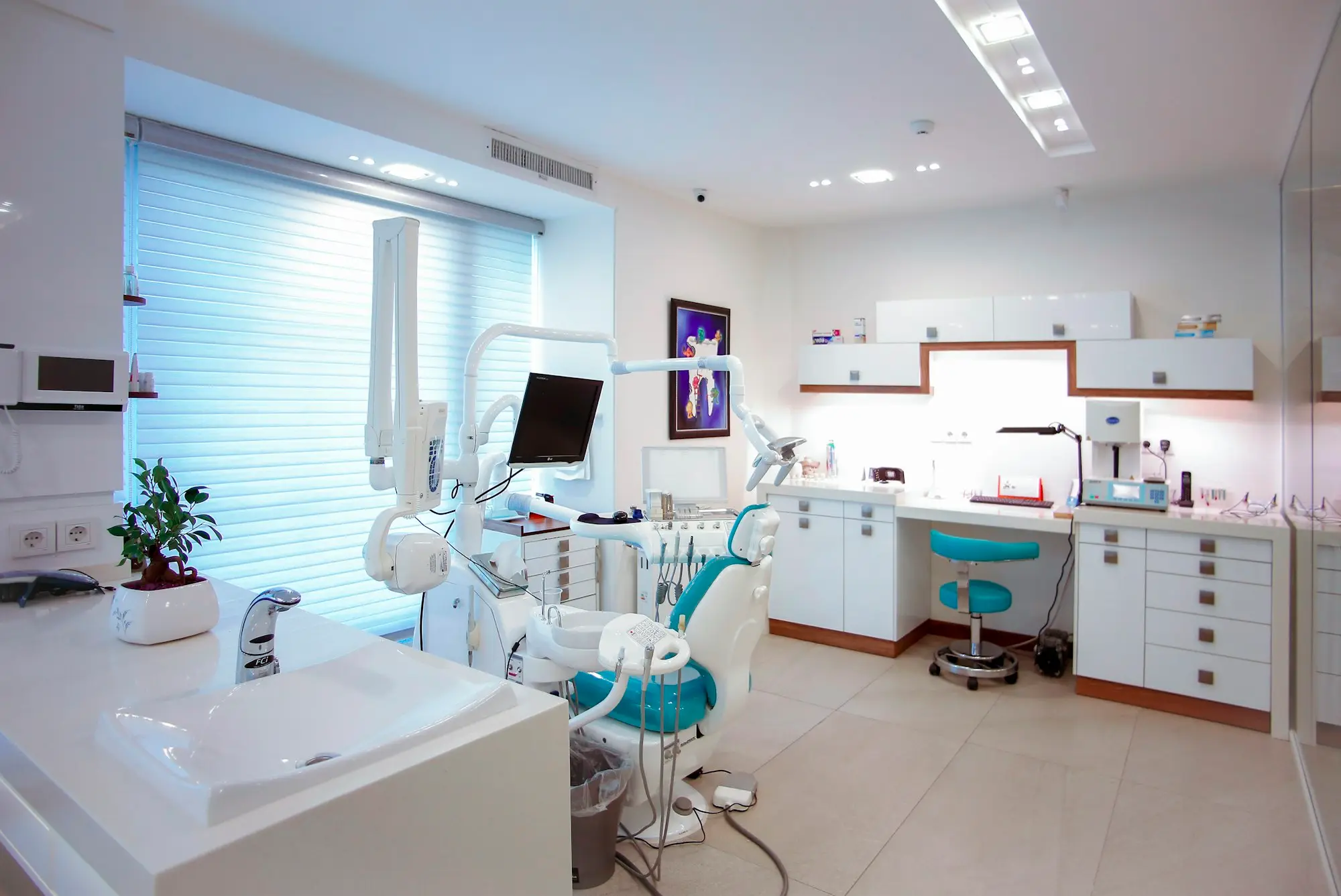
A two-chair dental practice wants to add a third surgery in the neighbouring tenancy. The fit-out costs $240,000 and the chair, cabinetry and imaging another $150,000. Equipment finance covers the clinical equipment, and a second mortgage over one of the principals’ homes, with interest capitalised for the first year, covers the building works while the new surgery builds patient numbers.
Ways to need less funding
Plan equipment replacement ahead, negotiate fit-out contributions with landlords and phase in new practitioners. Keep an eye on the gap between treatment and payment for fund and scheme claims.
The short version
- Specialised equipment is expensive and essential
- Fit-outs must meet clinical and accessibility standards
- Buying into or acquiring a practice is a common need
- Steady revenue helps lenders assess the practice
How we work through it with you
You send a 60-second enquiry with the amount, the purpose and a few facts about the business. A real person reads it, usually the same business day, and calls to fill in the gaps. For unsecured options they will ask for recent business bank statements, which can normally be shared through a secure read-only link. For property-secured options they will ask about the property and what is owed on it, with no valuation needed. You then see the offer in plain terms, including the total cost, and decide whether to go ahead. A credit check happens only at that point. If something about your situation is unusual, say so early; it is far easier to plan around a known issue than a surprise.
Funding or another fix?
Ask yourself where the repayment will come from. A customer payment, the next peak season, a property sale or steady trading are all real sources. Hope is not. If you can point to the money that will clear the loan, and roughly when, funding is likely to help. If you cannot, talk to your accountant about the underlying numbers first.
A simple preparation list
A little preparation makes the first conversation far more useful, and it means the person who calls you can talk about options rather than chasing basic details:
- Your ABN and the legal name of the business.
- Online banking access, so recent statements can be shared through a secure read-only link.
- A rough figure for monthly turnover and the amount you need.
- A list of current loans and repayments, including any ATO payment plan.
- If property is involved, the address and roughly what is owed on it.
About the questions we ask
Every question on the form is there for a reason: it changes which funding fits. Describe the business as it stands today rather than the version you expect in six months. Mention any default, tax debt or recent decline in the notes. We look at those situations all the time, and knowing early lets us head straight for options that can actually work.
See what you could qualify for
To see what is available for your business, complete the 60-second enquiry. It is free, there is no credit check and it goes to one team, not a lead marketplace. Please be precise with the amount, turnover and credit history. Those answers shape everything that follows, and getting them right is the single best way to get a fast, useful answer.
Frequently asked questions
Can practices finance dental chairs and imaging equipment?
Yes. Equipment finance is commonly used for chairs, imaging, sterilisation and other clinical equipment, secured on the equipment.
Is funding available to buy into a practice?
Yes. Buy-ins and acquisitions are often funded with property-secured loans because goodwill is hard to lend against.
Can medical and dental practices with bad credit get business funding?
Often, yes. Credit marks are considered case by case, with weight on how the business trades now and any property security available. Explain the background honestly in the enquiry.
Will an enquiry affect my credit score?
No. An enquiry runs no credit check. A credit check only happens if you decide to go ahead with a specific offer.
Ask right here, it takes a minute
The same 60-second enquiry, on this page. No credit check to enquire, and the person who reads it is the person who calls you.